 Milano
 Hotels
 Transport
 What's On
 Eating
 Shops
Shops After dark
 Out of town




Milano
Brera
Castello
Duomo
Giardini
La Scala
Corso Magenta
Monte Napoleone
Sant'Ambrogio
Ticinese
Università
Navigli
Triennale
Porta Nuova
CityLife
Brera
Castello
Duomo
Giardini
La Scala
Corso Magenta
Monte Napoleone
Sant'Ambrogio
Ticinese
Università
Navigli
Triennale
Porta Nuova
CityLife
Be careful! It is likely that demonstrations occur in town these days. Streets may be closed and public transport diverted.
Pinacoteca di Brera
one picture only .:. Milan's most outstanding museum, the Brera Gallery is recognized as one of the major art collections in the world. It takes its name from the district where it is located.
.:. It was initially founded by the Hapsburgs in the late 18th century, as a collection of paintings, sculptures and plaster copies to be used by students of the Accademia (or Academy of Fine Arts). Its patrimony came from churches and estates of Catholic clerical orders that had been suppressed not long before. The building itself had formerly been the Milanese headquarters of the Jesuit order.
.:. The collection was dramatically enlarged during the Napoleonic era between 1799-1815, when it received an extraordinary number of artworks confiscated from churches and private collections in the French-occupied Northern-Italian regions: Lombardy, Veneto (and of course Venice), a large chunk of Emilia Romagna and the Marches. This was a direct consequence of Napoleon's policy towards the city. In Napoleon's view, Milan was destined to become a capital, albeit subject to Paris, and therefore needed to consolidate a conspicuous art collection of its own. The great new museum opened its doors to the public in 1809.
.:. The fall of Napoleon did not bring with it the return of the masterpieces to their places of origin. This was also thanks to the idea – then coming to the fore – that a museum should perform the function of a centralized collection for the benefit of the community. The Pinacoteca was officially separated from the Accademia in 1882, thus to become one of the Italian State's main art museums.
.:. The collections are particularly important in understanding the history of the visual art in northern Italy from the 14th to the 18th centuries. There are exceptional examples of Renaissance works – possibly the best being the Pala di Federico da Montefeltro by Piero della Francesca (pictured) – and famous, if not numerous, paintings by foreign Old Masters.
one picture only .:. Milan's most outstanding museum, the Brera Gallery is recognized as one of the major art collections in the world. It takes its name from the district where it is located.
.:. It was initially founded by the Hapsburgs in the late 18th century, as a collection of paintings, sculptures and plaster copies to be used by students of the Accademia (or Academy of Fine Arts). Its patrimony came from churches and estates of Catholic clerical orders that had been suppressed not long before. The building itself had formerly been the Milanese headquarters of the Jesuit order.
.:. The collection was dramatically enlarged during the Napoleonic era between 1799-1815, when it received an extraordinary number of artworks confiscated from churches and private collections in the French-occupied Northern-Italian regions: Lombardy, Veneto (and of course Venice), a large chunk of Emilia Romagna and the Marches. This was a direct consequence of Napoleon's policy towards the city. In Napoleon's view, Milan was destined to become a capital, albeit subject to Paris, and therefore needed to consolidate a conspicuous art collection of its own. The great new museum opened its doors to the public in 1809.
.:. The fall of Napoleon did not bring with it the return of the masterpieces to their places of origin. This was also thanks to the idea – then coming to the fore – that a museum should perform the function of a centralized collection for the benefit of the community. The Pinacoteca was officially separated from the Accademia in 1882, thus to become one of the Italian State's main art museums.
.:. The collections are particularly important in understanding the history of the visual art in northern Italy from the 14th to the 18th centuries. There are exceptional examples of Renaissance works – possibly the best being the Pala di Federico da Montefeltro by Piero della Francesca (pictured) – and famous, if not numerous, paintings by foreign Old Masters.


Via Brera 28
 Lanza
Lanza
Brera district
 Open Street Map
8:30am-7:15pm, closed Mon, January 1st, May 1st, and December 25. Tickets sold till 6pm
[+39] 02 72105 141
LanzaBrera district
Open Street Map8:30am-7:15pm, closed Mon, January 1st, May 1st, and December 25. Tickets sold till 6pm
[+39] 02 72105 141


.:. CiaoMilano was conceived and is edited by KIWI Milano. It relies on the Foundation 6 framework, and is released under a Creative Commons Attribution-NonCommercial-NoDerivs 4.0 International licence.
.:. Icons by

.:. copyright © 1997-2026 Roberto Peretta, Milano; copyright © 1997-2006 Monica Levy, Milano
.:.Monica Levy, who created this website in 1997, is no longer with us. Her smile is behind this word.
Da Vinci = No Problem
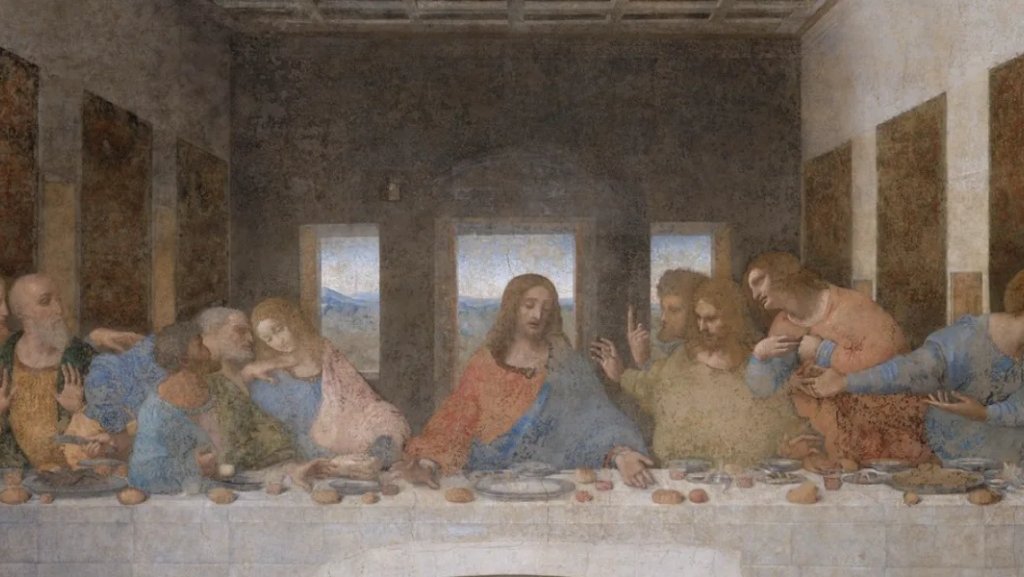
The Last Supper, otherwise difficult to book?
You can reserve a specialized visit through our partner Musement.
The Last Supper, otherwise difficult to book?
You can reserve a specialized visit through our partner Musement.

CiaoMilano does not collect personal data or e-mail addresses, except for press professionals and readers who write directly.
Our Privacy Policy
updated on October 25, 2026
Our Privacy Policy
updated on October 25, 2026